Cubic zirconia (CZ) has emerged as a cornerstone of modern gemstone jewelry, offering a dazzling alternative to diamonds at a fraction of the cost. As a custom jewelry manufacturer, understanding its properties—from hardness to durability—is critical for crafting timeless pieces. This article dives deep into CZ’s characteristics, addressing common questions and empowering consumers to wear luxury authentically.
What is the Hardness of Cubic Zirconia?
Cubic zirconia ranks 8–8.5 on the Mohs hardness scale, making it a durable choice for everyday jewelry. This synthetic gemstone boasts a cubic crystal structure—engineered with tightly packed atoms for maximum stability—which resists scratches and maintains its brilliance over time. Unlike natural gems, its uniform structure ensures consistent clarity and durability, positioning it as a practical alternative for rings, earrings, and other wearable pieces.
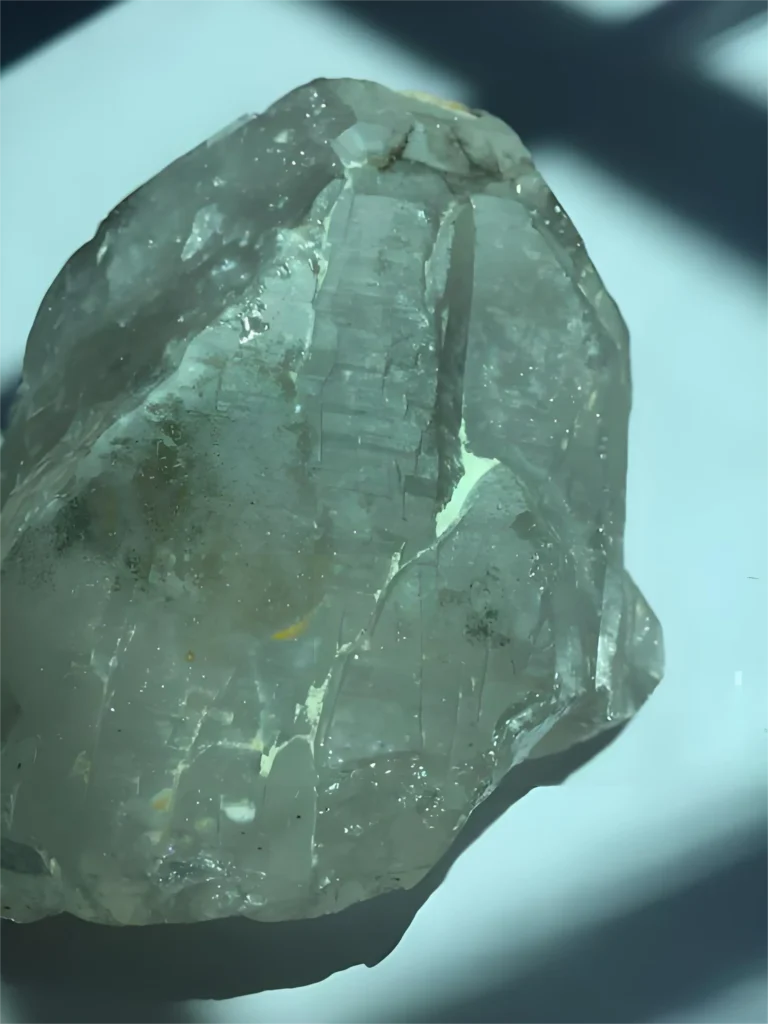
Cubic Zirconia Refractive Index
CZ boasts a refractive index of 2.15–2.18, slightly lower than diamond (2.42) but higher than quartz (1.54). This property determines its brilliance and fire:
- High RI: Creates intense sparkle, though less nuanced than moissanite’s “rainbow fire.”
- Dispersion: CZ’s dispersion (0.058–0.066) exceeds diamond’s (0.044), producing vivid light flashes.
Does Cubic Zirconia Scratch Easily?
Cubic zirconia ranks 8–8.5 on the Mohs hardness scale, making it highly resistant to scratches compared to softer gemstones like quartz (7) or topaz (8). However, it’s more susceptible to abrasions than diamonds (10) or moissanite (9.25). For everyday wear, CZ jewelry—such as 보석 반지 or 귀걸이—requires careful handling. Avoid exposing it to abrasive surfaces or harsh chemicals, which can degrade its luster over time.
Why Is Cubic Zirconia So Cheap?
The affordability of CZ stems from its synthetic origins and efficient production processes. Unlike mined diamonds, CZ is lab-grown using zirconium dioxide and stabilizers, slashing costs related to mining, transportation, and ethical compliance. Manufacturers achieve economies of scale by producing millions of carats annually, further reducing per-unit expenses.
Key Factors:
- Raw material abundance: Zirconium is widely available and often a byproduct of titanium mining.
- Streamlined synthesis: Techniques like the “skull crucible” method enable mass production without natural constraints.
- No resale value: Unlike diamonds, CZ holds minimal resale value, allowing manufacturers to price competitively.
Is Cubic Zirconia or Moissanite Better?
Both gemstones serve as dazzling diamond alternatives, but their suitability hinges on practical needs. Cubic zirconia (CZ) boasts moderate dispersion and a budget-friendly price, making it ideal for gemstone earrings or seasonal accessories. Moissanite, however, edges out with higher dispersion (2.65–2.69 RI) and exceptional hardness (9.25 Mohs), rendering it highly scratch-resistant and perfect for everyday wear like gemstone rings or 팔찌.
What Is the Downside of Cubic Zirconia?
Despite its popularity, CZ has limitations:
- Scratch susceptibility: Prolonged wear can lead to surface abrasions, dulling its brilliance.
- Cloudiness over time: Low-quality CZ may develop hazy patches due to internal stress.
- Ethical ambiguity: While lab-grown, some consumers perceive CZ as less “authentic” than natural gems.
Mitigation Strategies:
- Regular cleaning with mild soap and water.
- Storing CZ jewelry separately to avoid friction.
Advantage of 큐빅 지르코니아
Cubic zirconia (CZ) stands out as a sustainable diamond alternative with three key advantages. Unlike mined diamonds, CZ production avoids geopolitical conflicts and unethical labor practices, ensuring ethical sourcing. Its lab-grown process consumes significantly fewer resources than traditional mining, resulting in a lower carbon footprint. Additionally, CZ’s chemical stability allows indefinite recycling without quality loss, supporting circular economy principles. These features make it an eco-conscious choice for conscious consumers prioritizing both aesthetics and planetary responsibility.
Does Cubic Zirconia Turn Green?
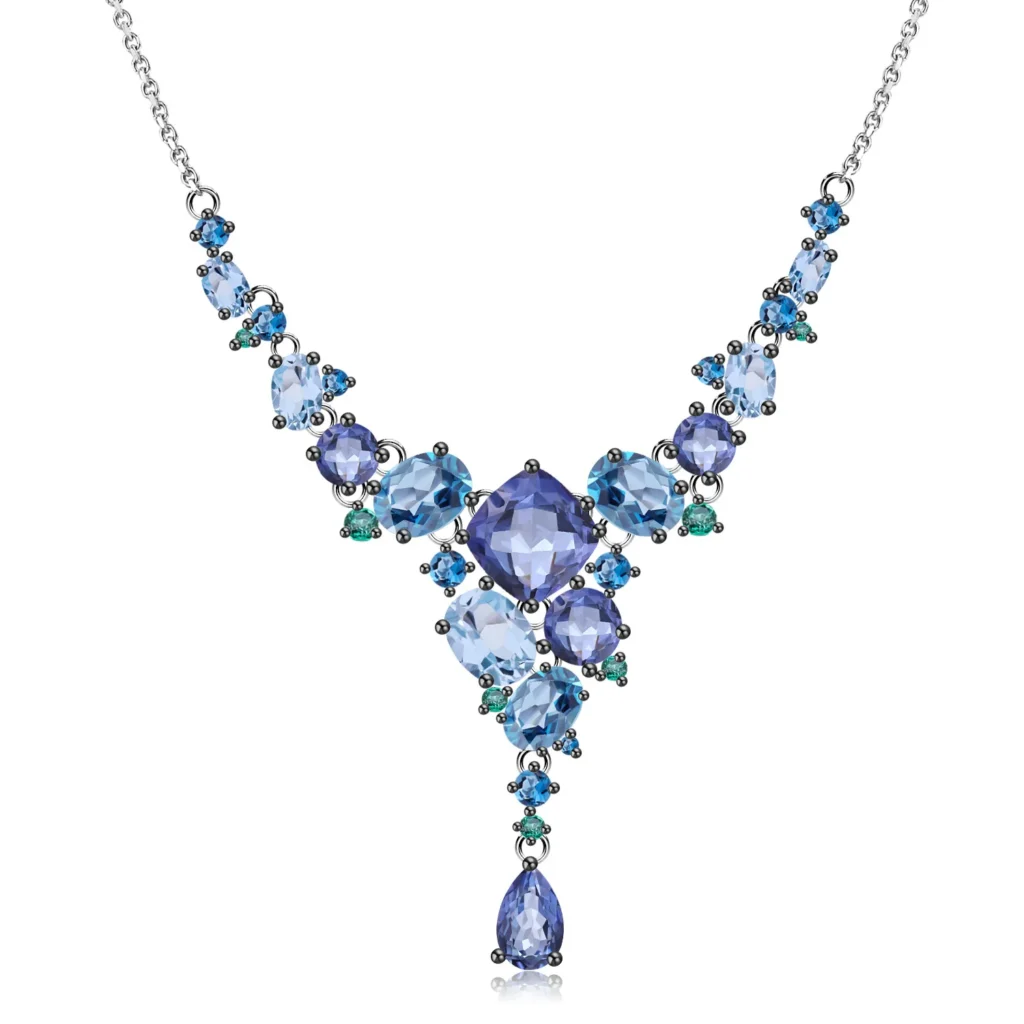
Cubic zirconia (CZ) itself does not tarnish or change color under normal conditions, as it is chemically inert and composed of stable zirconium dioxide. However, low-quality stones mounted in brass or copper settings may develop subtle greenish stains over time due to metal oxidation, not the gemstone itself. To preserve its clarity, opt for jewelry crafted with tarnish-resistant metals, such as sterling silver, gold, or rhodium-plated settings, which minimize metal-gemstone interaction. Additionally, store CZ accessories in dry, airtight containers away from humidity to prevent oxidation buildup on both the metal and stone surfaces.
Does Cubic Zirconia Rust?
Cubic zirconia is non-porous and chemically inert, making it immune to rust. However, its metal settings can corrode if exposed to humidity or chemicals. Regular maintenance ensures longevity.
The Key Takeaway
Cubic zirconia remains a powerhouse in gemstone jewelry, striking a balance between affordability, aesthetic appeal, and ethical responsibility. While it lacks the hardness of moissanite or the prestige of diamonds, its versatility and eco-friendly profile make it a staple for custom designs—from minimalist gemstone earrings to bold statement rings. By understanding its properties and limitations, 세련된 고급 주얼리 can leverage CZ to craft pieces that captivate without compromising durability or values.