실험실에서 합성한 다이아몬드(LGD)는 천연 다이아몬드와 동일한 성질을 가진 진짜 탄소 결정이지만, 2025-2026년 업계 환경은 LGD 등급 평가 방식에 완전히 변화를 가져왔습니다. HRD Antwerp와 같은 기관이 LGD 시장에서 완전히 철수하고 미국보석협회(GIA)가 "프리미엄/스탠다드"라는 이분법적 평가 시스템으로 전환함에 따라, 국제보석협회(IGI)는 실험실 다이아몬드에 대한 상세한 4C 등급표(DZ 색상, FL-I3 투명도)를 제공하는 주요 권위 기관으로 남았습니다.
완벽한 약혼반지를 찾는 소비자든, 대량으로 원자재를 조달하는 주얼리 브랜드든, 이러한 새로운 등급 체계를 이해하는 것은 최고의 가치와 품질을 확보하는 데 필수적입니다.
표준 차트가 분열되는 이유는 무엇일까요?
2026년에 실험실에서 생산된 다이아몬드를 구매하거나 조달하려는 경우, 과거 정보에 의존해서는 안 됩니다. 2024년까지 미국에서 판매된 모든 약혼반지 중 실험실 생산 다이아몬드가 4,510억 달러 이상을 차지했습니다. 현대 제조 기술로 흠집 없고 무색인 실험실 생산 다이아몬드를 대량 생산할 수 있게 되면서(2025년까지 소매 시장에서 판매되는 모든 실험실 생산 다이아몬드 중 859억 1천만 달러가 DF 등급의 무색 다이아몬드에 해당할 것으로 예상됨), 주요 감정 기관들은 한계에 도달했습니다.
희소성을 기준으로 하는 지질학적 등급 시스템을 지속적으로 생산 가능한 산업 제품에 적용하는 것은 일부 기관에서는 더 이상 의미가 없다고 판단했습니다. 이로 인해 오늘날 다이아몬드 감정서를 해석하는 방식에 큰 차이가 발생했습니다.
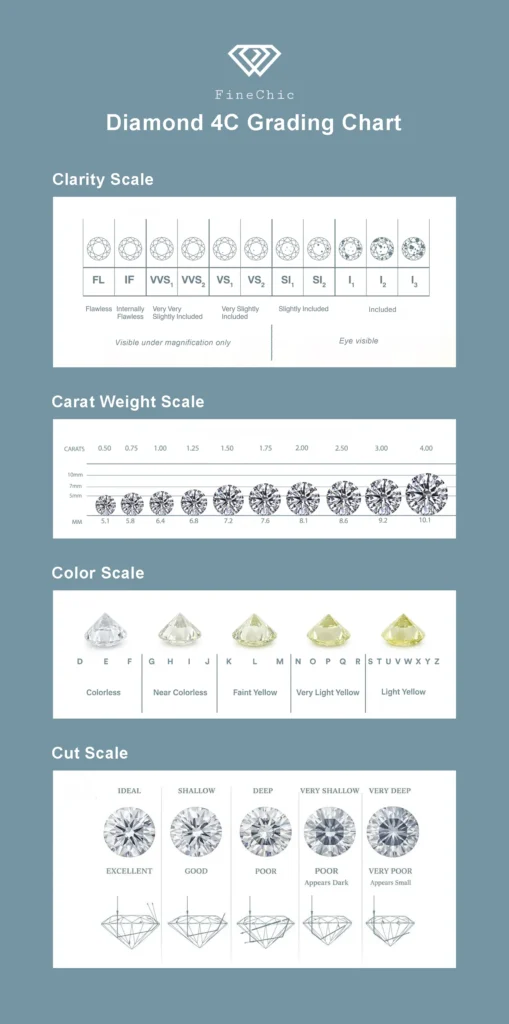
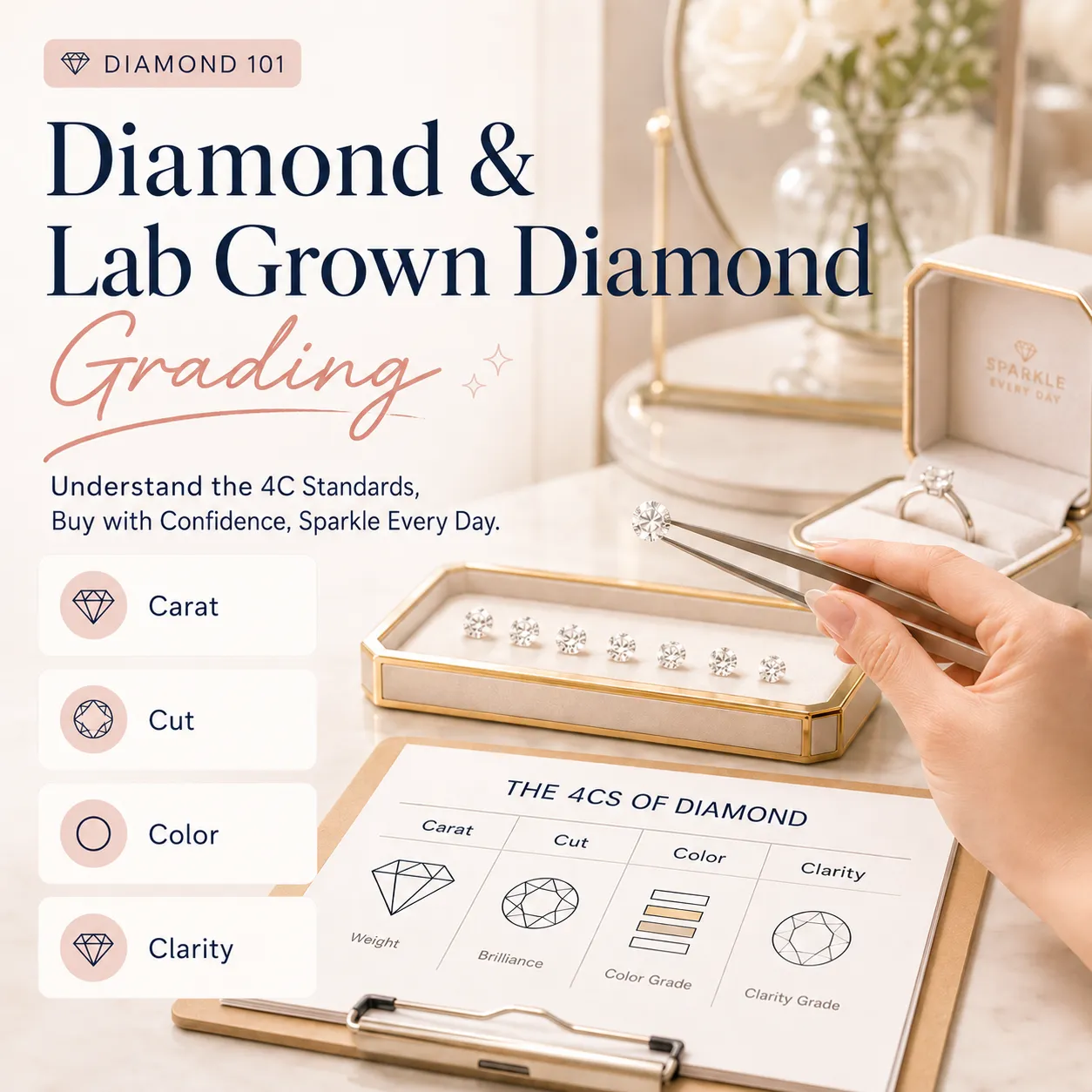
다이아몬드의 4C란 무엇이며, 실험실에서 제작된 다이아몬드의 등급은 어떻게 매겨지나요?
다이아몬드 품질 평가의 표준화는 혼란스러웠던 과거의 거래 방식에 질서를 부여하기 위해 마련되었습니다. 20세기 중반 이전에는 다이아몬드 거래가 지역별로 파편화된 평가 기준에 의존했습니다. 1940년대에 미국 다이아몬드협회(GIA)는 최초의 국제 다이아몬드 등급 시스템을 도입했으며, 이는 오늘날 4C(컷, 컬러, 클라리티, 캐럿 중량)로 널리 인정받고 있습니다.
이 기준은 원래 "일반적인 채굴 과정"을 평가하고 수십억 년에 걸쳐 형성된 천연 다이아몬드의 극히 희귀한 특성을 정량화하기 위해 고안되었습니다. 그러나 실험실에서 합성된 다이아몬드는 큐빅 지르코니아와 같은 모조품이 아닙니다. 천연 다이아몬드와 본질적으로 동일한 화학적, 물리적, 광학적 특성을 지닌 진짜 탄소 결정입니다. 천연 다이아몬드와 합성 다이아몬드는 모두 모스 경도계에서 만점인 10점을 받는 유일한 보석입니다.
다이아몬드의 4C(색상, 투명도, 커팅, 캐럿)는 어떻게 등급이 매겨지나요?
4C의 각 요소는 고유한 물리적 또는 광학적 특성을 평가하며, 정확한 측정과 시각적 평가를 수행하기 위해서는 고도로 훈련된 보석 감정사가 필요합니다.
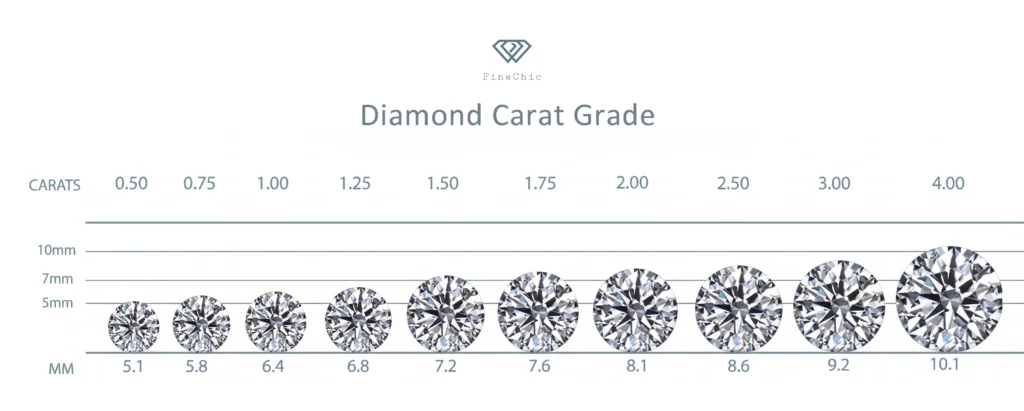
캐럿(물리적 질량)
캐럿 중량은 보석의 물리적 질량을 객관적으로 측정한 값으로, 미터법 단위인 캐럿으로 계산되며, 1캐럿은 정확히 200밀리그램입니다.
색상 (색조 없음)
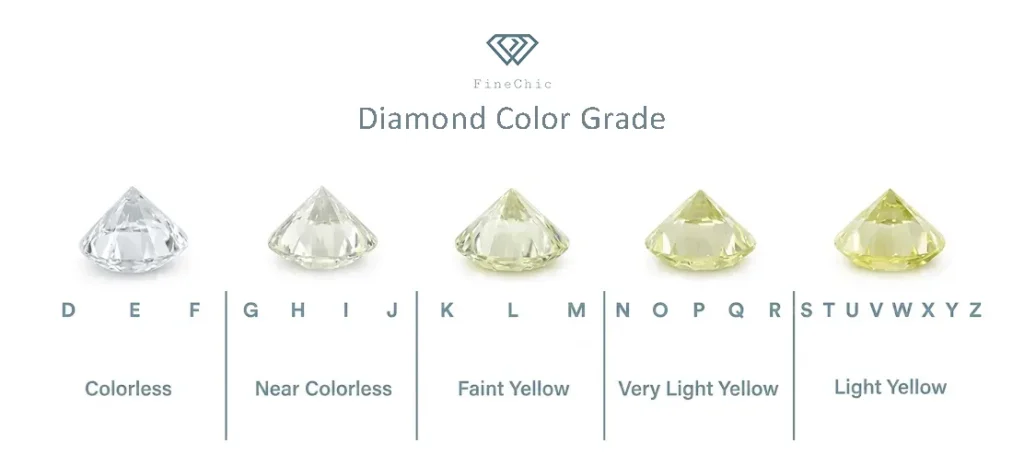
색상 등급은 결정 격자 내에 갇힌 미량 원소, 주로 질소 또는 붕소의 존재 여부를 평가합니다. 전통적인 GIA 알파벳 색상 척도는 D(완전히 무색)부터 Z(옅은 노란색 또는 갈색 색조)까지 있습니다.
명확성(내부/외부 특성)
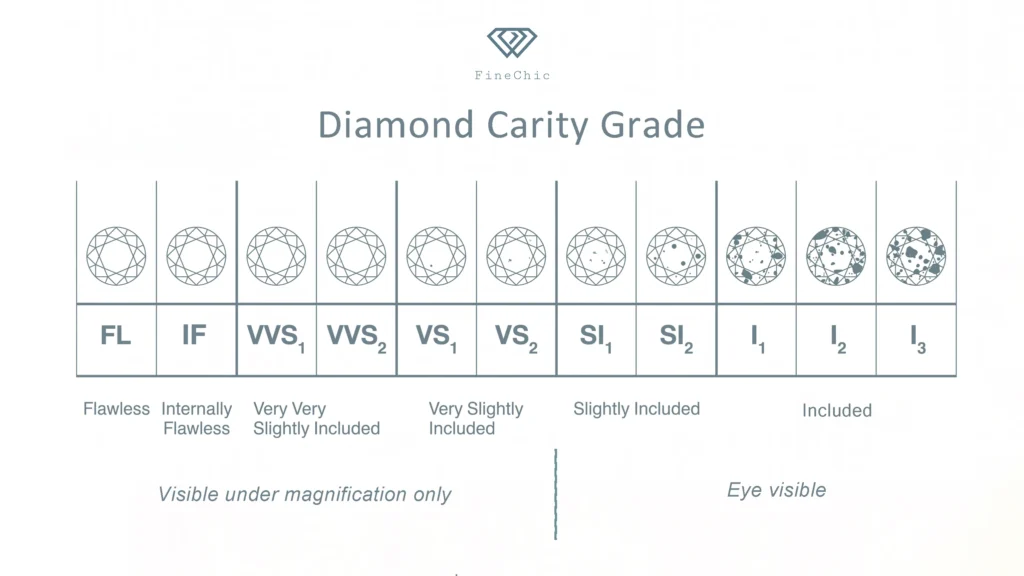
투명도는 내부 특징(내포물)과 표면 결함(흠집)을 평가하는 척도입니다. 표준화된 10배 확대경으로 등급을 매기며, 투명도 척도는 이러한 특징의 가시성, 크기 및 위치에 따라 무결점(FL)부터 내포물 포함(I3)까지 다양합니다.
컷(라이트 퍼포먼스)
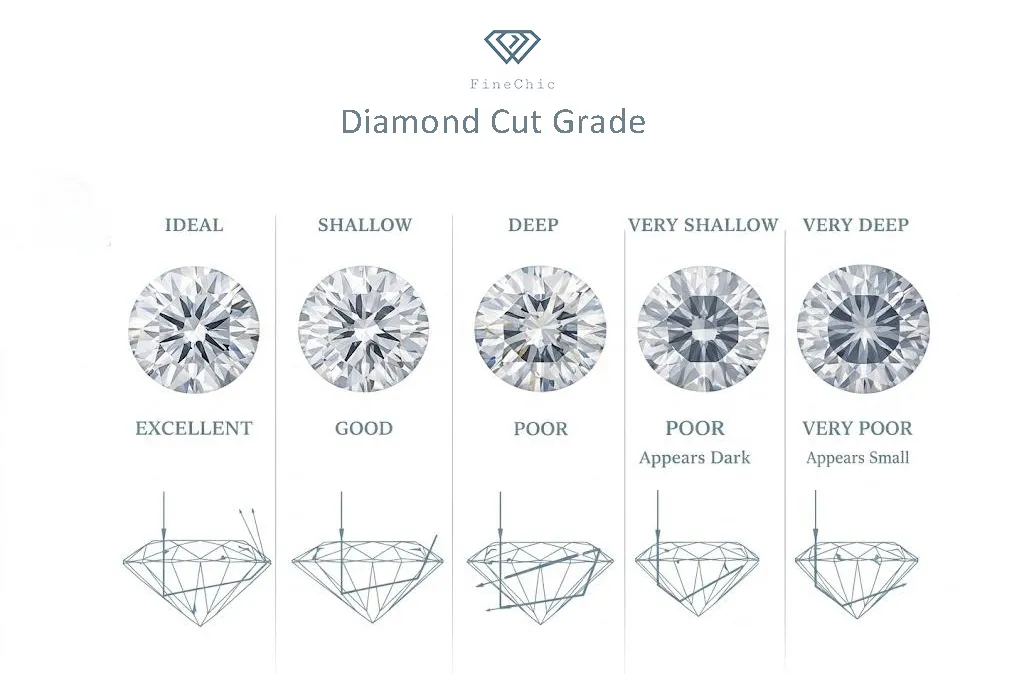
특히 일반적인 라운드 브릴리언트 다이아몬드에 적용되는 커팅 등급은 스톤의 비율, 대칭 및 광택을 평가합니다. 이는 결정이 빛과 상호 작용하여 밝기, 광채 및 반짝임을 얼마나 효과적으로 만들어내는지를 결정하며, 전통적인 등급은 Excellent부터 Poor까지 있습니다.
천연 다이아몬드와 합성 다이아몬드의 등급 분류: 2026년 기준 차이점은 무엇일까요?
과거에는 천연 다이아몬드와 인공 다이아몬드를 동일한 기준으로 평가했습니다. 그러나 2024년에는 제조 능력의 급증과 탄탄한 소매 시장 분석 기술의 발전으로 인공 다이아몬드가 전례 없는 시장 점유율을 확보하게 되었습니다.
희소성을 기준으로 하는 지질학적 등급 시스템을 지속적으로 생산 가능한 산업 제품에 적용하면서 보석 감정 연구소들 사이에서 심각한 운영 위기가 발생했습니다. 2026년에는 등급 기준이 공식적으로 두 가지로 나뉘었습니다.
천연 다이아몬드
GIA와 같은 기관들은 지질학적 희소성을 정량화하고 미세한 차이에 따른 막대한 가격 변동을 방지하기 위해 전통적이고 매우 세분화된 4C 척도를 사용하여 천연석을 계속 평가하고 있습니다.
랩 다이아몬드
- GIA: 더 GIA는 일반적인 D~Z 등급의 인공 다이아몬드 평가 방식을 완전히 개편했습니다. GIA는 두 등급으로 나누는 이진 분류 시스템을 도입했는데, 하나는 프리미엄(흠 없는 D 컬러, VVS2+ 투명도, 엑설런트 컷 필요)이고 다른 하나는 스탠다드(EJ 컬러, VS2+ 투명도)입니다. 인공 다이아몬드가 "스탠다드" 기준(예: K 컬러 또는 SI1 투명도)을 충족하지 못하면 GIA는 감정서를 발급하지 않습니다.
- 인적자원개발부: 전례 없는 조치로, 앤트워프 HRD는 2026년까지 상업용으로 사용되는 합성 다이아몬드에 대한 품질 인증서 발급을 완전히 중단하겠다고 발표했습니다.
- IGI: 실험실 다이아몬드에 대해 전통적인 4C 등급(DZ, FL-I3)을 모두 제공하고 특정 성장 공정(CVD 또는 HPHT)을 명확하게 식별함으로써 시장을 독점하기 위해 진출했습니다.
| 등급 차원 | 천연 다이아몬드(국제 통일 표준) | 실험실에서 생산한 다이아몬드(GIA 신규 표준) | 실험실에서 생산한 다이아몬드(IGI 상업 표준) |
|---|---|---|---|
| 색상 | D부터 Z까지의 입도 분포 | 등급은 프리미엄 또는 스탠다드 두 가지로만 구분되며, 특정 색상 등급은 지정되지 않습니다. | D부터 Z까지의 입도 분포 |
| 명쾌함 | FL에서 I3까지의 세분화된 등급 분류 | 임계값 기반 방식만 지원 (프리미엄 버전은 VVS2+, 스탠다드 버전은 VS2+ 필요) | FL에서 I3까지의 세분화된 등급 분류 |
| 성장 특성 및 과정 | 자연 함유물의 특성 식별 | 성장 과정이 명시되지 않았습니다 (무색 LGD의 경우). | 성장 공정(CVD 또는 HPHT)을 명시적으로 지정합니다. |
| 탐지 방법 | 전통적인 10배 확대경과 표준 보석 감정 기구 | 실리콘 공극 결함 또는 인광을 감지하기 위해 고급 분광학 기술을 활용합니다. | 내부 결정 변형 및 내포물 분석을 위해 고급 분광학 기술을 활용합니다. |
보석상은 다이아몬드가 실험실에서 만들어진 것인지 구별할 수 있을까요?
일반적인 장비로는 불가능합니다. CVD 및 HPHT 다이아몬드는 천연 다이아몬드와 동일한 굴절률, 경도 및 열전도율을 가지고 있기 때문에 열 탐침, 다이아몬드 감별기 또는 10배 확대경과 같은 기존 보석 감정 도구로는 전혀 감별할 수 없습니다. 이러한 다이아몬드를 식별하려면 Yehuda Sherlock Holmes 또는 De Beers SYNTHdetect와 같은 고도로 발전된 분광 분석 및 검출 장비가 필요합니다.
실험실에서 만든 다이아몬드와 천연 다이아몬드의 차이점
화학적, 물리적으로 동일하지만(모스 경도계에서 만점인 10점을 기록함), 그 기원에 따라 세 가지 주요 차이점이 있습니다.
1. 성장 흔적 및 내포물
- 천연 다이아몬드: 수십억 년에 걸쳐 지구 맨틀에서 형성된 이 암석들은 독특하고 무작위적인 지질학적 내포물을 특징으로 합니다.
- HPHT 랩 다이아몬드: 금속 촉매를 사용하여 성장시킨 이 물질들은 종종 금속 함유물을 포함하고 있어 자성을 띠며, 자외선에 노출되면 비정상적인 발광(인광)을 나타낼 수 있습니다.
- CVD 랩 다이아몬드: 진공 챔버에서 성장됩니다. 금속 성분은 없지만 일반적으로 어둡고 비자성인 흑연 미세 입자를 포함합니다.
2. 라벨링 및 인증
천연석은 지질학적 희소성 때문에 가치가 높지만, 실험실에서 만들어진 보석은 제조 상품으로 취급됩니다. 현행 기준에 따르면 GIA와 같은 기관에서는 실험실에서 만들어진 다이아몬드에 거들 부분에 "실험실에서 제작(Laboratory-Grown)"이라는 문구를 레이저로 영구 각인하도록 규정하고 있습니다.
3. 탐지 방법
굴절률과 열전도율이 완전히 동일하기 때문에 확대경이나 일반 다이아몬드 감별기 같은 전통적인 보석 세공 도구로는 이들을 구별할 수 없습니다.
천연 다이아몬드는 언제 선택해야 할까요?
- 자산 배분 및 가치 유지: 천연 다이아몬드는 엄격한 등급 분류라는 전통을 자랑하며, 이는 중요한 재정적 안전장치 역할을 하여 장기적인 재판매 가치와 중고 시장의 유동성을 높여줍니다. 천연 다이아몬드는 희소성과 변함없는 가치를 나타내는 최고의 기준점으로 남아 있습니다.
- 감정적 독창성: 수십억 년에 걸쳐 형성된 지질학적 특이성의 낭만을 중시하는 구매자들에게 천연석은 대체할 수 없는 독특한 가치를 선사합니다.
언제 인공 다이아몬드를 선택해야 할까요?
- 크기와 시각적 효과 극대화: 글로벌 규모의 기술적 효율성 덕분에 소비자는 훨씬 저렴한 가격으로 완벽한 무색(DF) 실험실 다이아몬드를 구매할 수 있습니다. 예산 범위 내에서 최고의 투명도와 캐럿 중량을 원한다면, LGD 시장은 매우 효율적인 가치 최적화 전략이 될 수 있습니다.
- 브랜드 창업 및 맞춤형 제조: B2B 구매자를 위해 주얼리 브랜드실험실에서 만들어진 다이아몬드는 무한한 공급량과 매우 높은 품질의 품질을 제공합니다. 이를 통해 제조업체는 천연석에 필요한 막대한 자본 투자 없이도 맞춤 컬렉션에 완벽하게 어울리는 사이드 스톤을 조달할 수 있습니다.
- 검증된 지속가능성: 친환경 소비자를 타겟으로 하는 브랜드의 경우, SCS-007 주얼리 지속가능성 표준을 충족하는 다이아몬드를 사용하면 검증된 추적성과 과학적으로 입증된 탄소 중립을 보장할 수 있습니다. 인증된 지속가능성 등급을 받은 실험실 다이아몬드를 선택함으로써 브랜드는 검증되지 않은 마케팅 문구를 반박하고 실증적인 ESG 데이터를 제시할 수 있습니다.
핵심 요약
실험실에서 생산된 다이아몬드의 경제적 가치가 급격하게 변동했습니다. 2025년 초까지 1캐럿 실험실 생산 다이아몬드의 평균 소매 가격은 1,000달러 이하로 폭락했는데, 이는 천연 다이아몬드 대비 무려 72.81달러/3000달러라는 놀라운 가격 할인율입니다. 다이아몬드 컬렉션을 위한 스톤을 구할 때는 감정서 등급만으로는 충분하지 않습니다. 파인 쉬크저희 공장 차원의 품질 관리 시스템은 기본적인 등급 분류보다 한 단계 더 엄격합니다. 금속 플럭스가 있거나 광택이 떨어지는 스톤을 걸러내는 2차 공정을 통해 고객님의 다이아몬드 품질을 보장합니다. 맞춤 보석 주얼리 모든 제품에 걸쳐 흠잡을 데 없는 완벽한 광택을 유지합니다.