
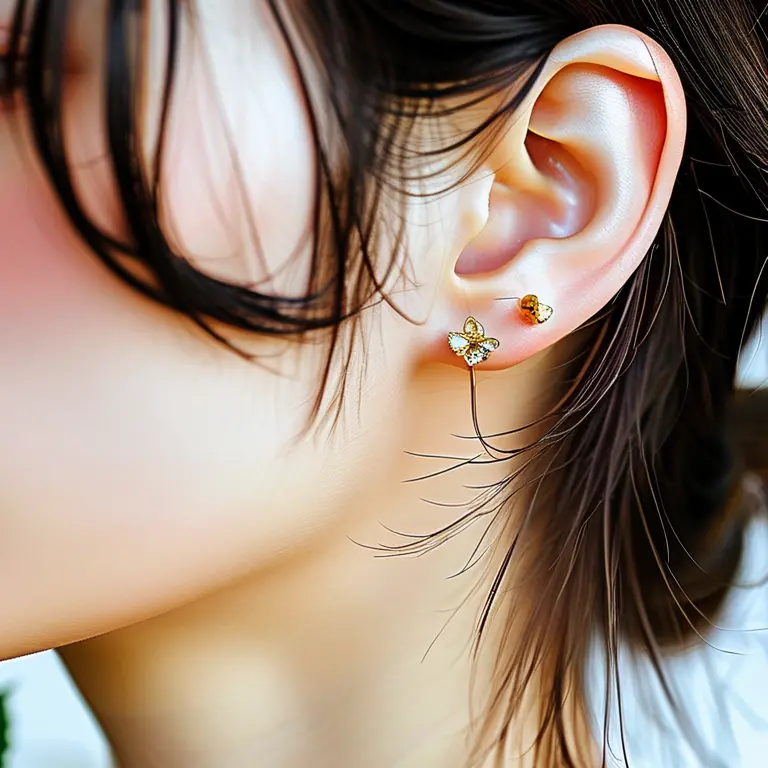
Jewelry is a timeless favorite, but not all pieces are created equal when it comes to durability and water resistance. This guide reveals the truth about waterproof jewelry to help you understand the science behind these materials and how they perform in different environments, from swimming and fitness activities to daily wear. We’ll also share essential care tips, including corrosion resistance and chlorine protection, and help you navigate the trade-offs between different material types to keep your jewelry in top shape.
Benefits of Waterproof Jewelry
Durability
Water resistance depends on the metal, finish and construction of the piece. A suitable material or protective coating can reduce damage from occasional splashes, but this does not make every design resistant to chlorine, salt water, abrasion or prolonged immersion. Check the care instructions for the complete piece, including its stones, adhesive and clasp.
Easy Care
Simple care helps preserve the finish: wipe away perspiration with a soft cloth, dry the piece after accidental splashes and store it separately. Remove jewelry before swimming, showering or using household cleaners unless its maker specifically confirms that those conditions are suitable. Water-resistant jewelry still needs maintenance, especially where a coating is exposed to friction.
Versatility
The right material can make jewelry more practical for everyday wear, but the whole design matters. A metal chain, a glued setting and a pearl pendant can have different care needs even when sold as one piece. Water resistance also does not establish suitability for sensitive skin; that depends on the materials that contact the wearer.
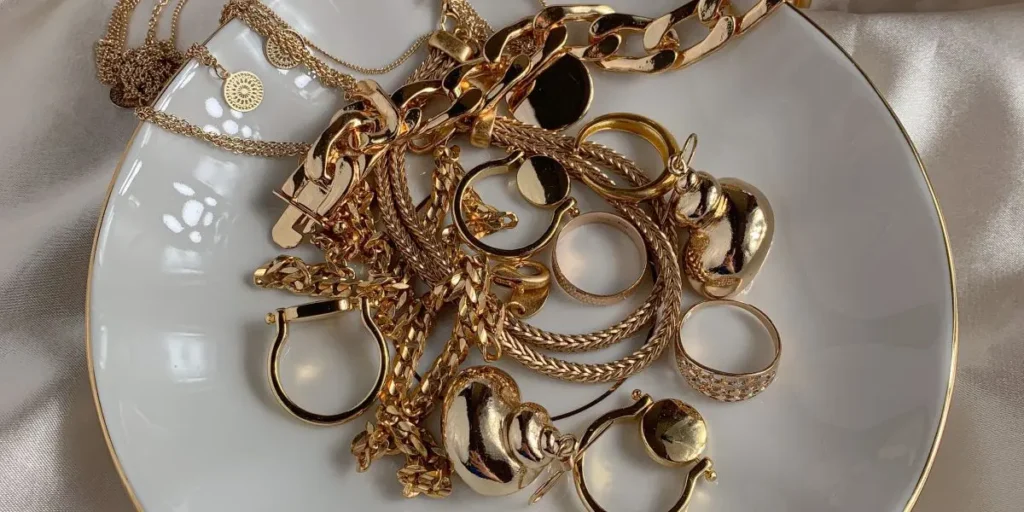
Jewelry Materials Waterproof Performance
Jewelry may be made from 999 fine silver, 925 sterling silver, solid karat gold, gold-filled metal or coated base metals. These names describe composition or construction, not a shared waterproof rating. Compare the base material, surface finish, stones and recommended care rather than assuming that every piece in a category performs the same way.
Is 999 Fine Silver Waterproof?
999 fine silver contains 99.9% silver; it is not sterling silver. It is relatively soft and can tarnish, so a high purity number should not be read as a waterproof guarantee. Avoid pool chemicals and household cleaners, dry the piece after contact with water and use a cleaning method appropriate for any stones or surface finish.
Is 925 Sterling Silver Waterproof?
925 sterling silver contains 92.5% silver with other alloying metals, commonly copper. It can tarnish, including when exposed to humidity, perspiration and chemicals. A protective coating may help slow surface change, but its condition and the care of the piece still matter. Remove sterling silver jewelry before swimming or bathing, and check whether polishing is suitable for its finish.
Is 14K Gold Waterproof?
14K gold contains approximately 58.3% gold, with the remainder made up of alloying metals. Solid 14K construction differs from a thin gold layer over another metal. Even solid gold jewelry needs care: remove it before swimming or cleaning with chemicals, and consider the needs of stones and settings rather than relying on gold purity alone.
Is 18K Gold Waterproof?
18K gold contains 75% gold. Its higher gold content does not establish that an assembled piece is suitable for continuous immersion. Alloy composition, solder joints, stones and finishes all affect care requirements. Avoid chlorine and household cleaners, and remove the piece before swimming rather than treating its karat mark as a waterproof certification.
Is Gold Filled Waterproof?
Gold-filled jewelry has a mechanically bonded gold layer over a base metal; it is different from electroplated jewelry. That layer can still wear, particularly at edges and other areas exposed to friction. Remove the piece before swimming or bathing, wipe it gently after wear and avoid abrasive polishing that could damage the surface.
Precious Metals and Protective Coatings
Platinum and palladium are precious metals; silicone is a polymer, not a precious metal. Protective finishes such as e-coating are separate from the base material and are not an impermeable shield. Their performance depends on the coating system, preparation, application and wear. Ask which finish is actually used on the selected piece and follow its specific care instructions.
Is Waterproof Equivalent to Sweatproof?
Not necessarily. Resistance to brief contact with fresh water does not demonstrate resistance to perspiration, salt water or chlorine. Sweat contains salts and other substances, while repeated wetting and friction can affect finishes. Wipe the piece after wear, dry it thoroughly and avoid assuming that a waterproof label covers every exposure.
Protective Jewelry for Every Lifestyle
Choosing jewelry for daily wear means balancing appearance, material, construction and care. Ask what the base metal and finish are, whether the design includes delicate stones or glued components, and which exposures the maker recommends avoiding. A clear care routine is more useful than an unrestricted waterproof promise. For silver pieces, see our anti-tarnish care guide.