The outline of an earring catches the eye first, but its construction shapes how it sits and moves. A small stud rests close to the lobe; a long drop draws a line beneath it; a hoop frames an open space. This guide looks at eight familiar styles and the fastenings behind them, with a historical example to show how decoration and construction have long worked together.
Earrings History & Evolution
Museum collections offer concrete examples of earrings across different periods. The Metropolitan Museum of Art holds a pair of gold Achaemenid earrings dated to approximately the sixth to fourth centuries BCE. Their crescent shapes, granulated edges and gold-wire fastenings show how ornament and construction worked together. The shape and fastening are still useful details to notice when comparing historical pieces with modern designs.
A historical silhouette can inspire a modern design without carrying exactly the same meaning. When comparing an older piece with a new collection, look at the visible details: the outline, surface decoration, movement and fastening. A compact stud, an open hoop and a long drop each frame the face differently, even when they share a similar decorative motif.
Different Earring Types
The eight styles below differ in outline, scale and how they sit on the ear. Start with the visible shape, then look at the fastening and the size of the complete piece. A photograph helps you compare the look, while a sample lets you assess movement, weight and fit.

Hoop Earrings
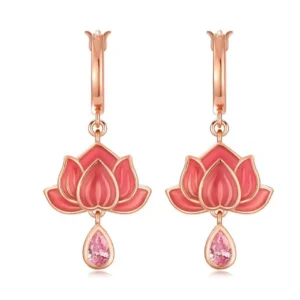
Hoop earrings create an open outline, from close-fitting huggies to larger statement shapes. Not every hoop is a continuous circle: some have an open section, an oval profile or a hinged closure. Options include silver and brass designs, decorative finishes and stone-set details. Compare the outer diameter, tube thickness and weight, as two hoops with a similar outline can feel quite different. Small hoops offer a quieter look; larger ones make the outline itself the focal point.
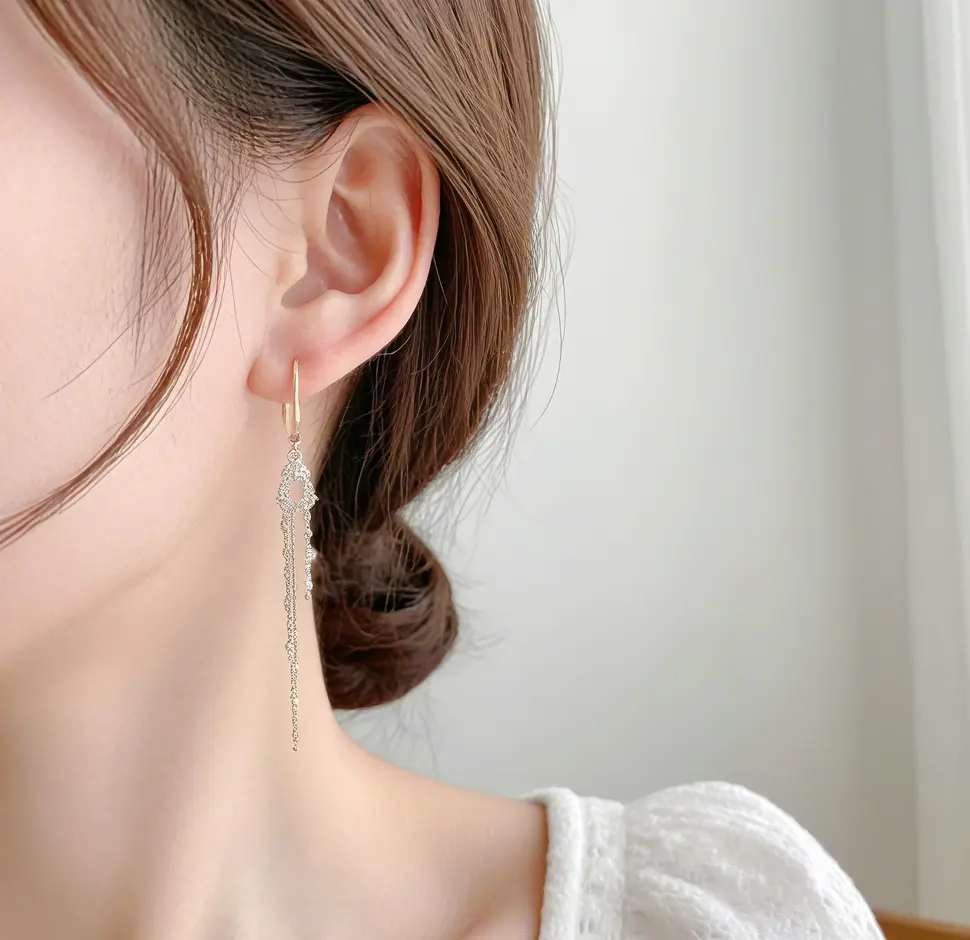
Drop Earrings
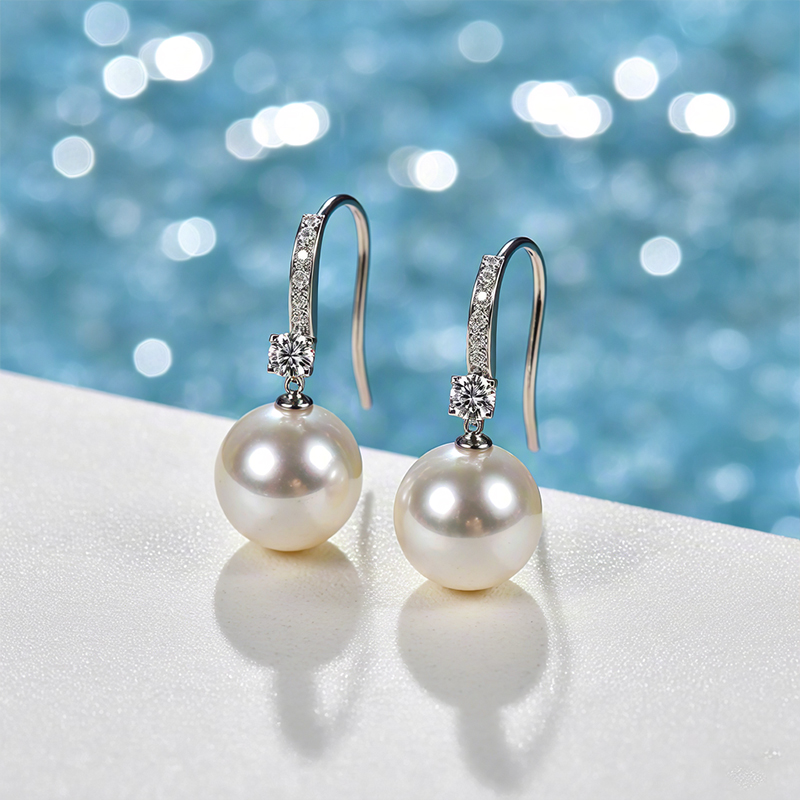
Drop earrings extend below the earlobe, from a short suspended ornament to a longer decorative line. Some move freely on a connecting ring, while others are relatively rigid. Pearls, crystals and metal shapes can each change the visual effect. Look at the total length and the connection above the ornament when comparing pairs. A simple drop can sit neatly beside a tailored neckline, while a longer design may work best with space around the ear so its shape remains visible.
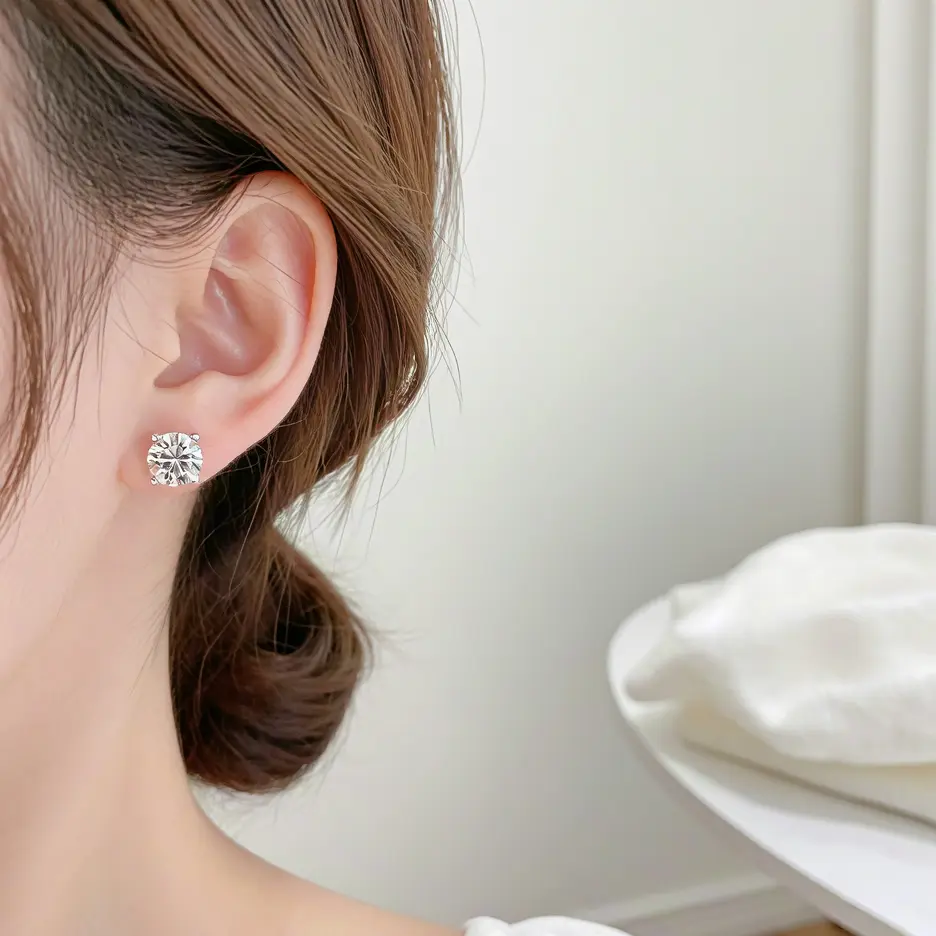
Stud Earrings
Stud earrings place their main decorative element close to the earlobe, usually with a post and separate backing. A metal shape, a stone or a pearl can give the same basic construction a different character. Studs are not always tiny: larger designs may cover more of the lobe and need a suitably supportive back. Compare the front dimensions, post position and backing rather than judging by the front view alone. Small pairs can stand alone or accompany a hoop in a separate piercing.
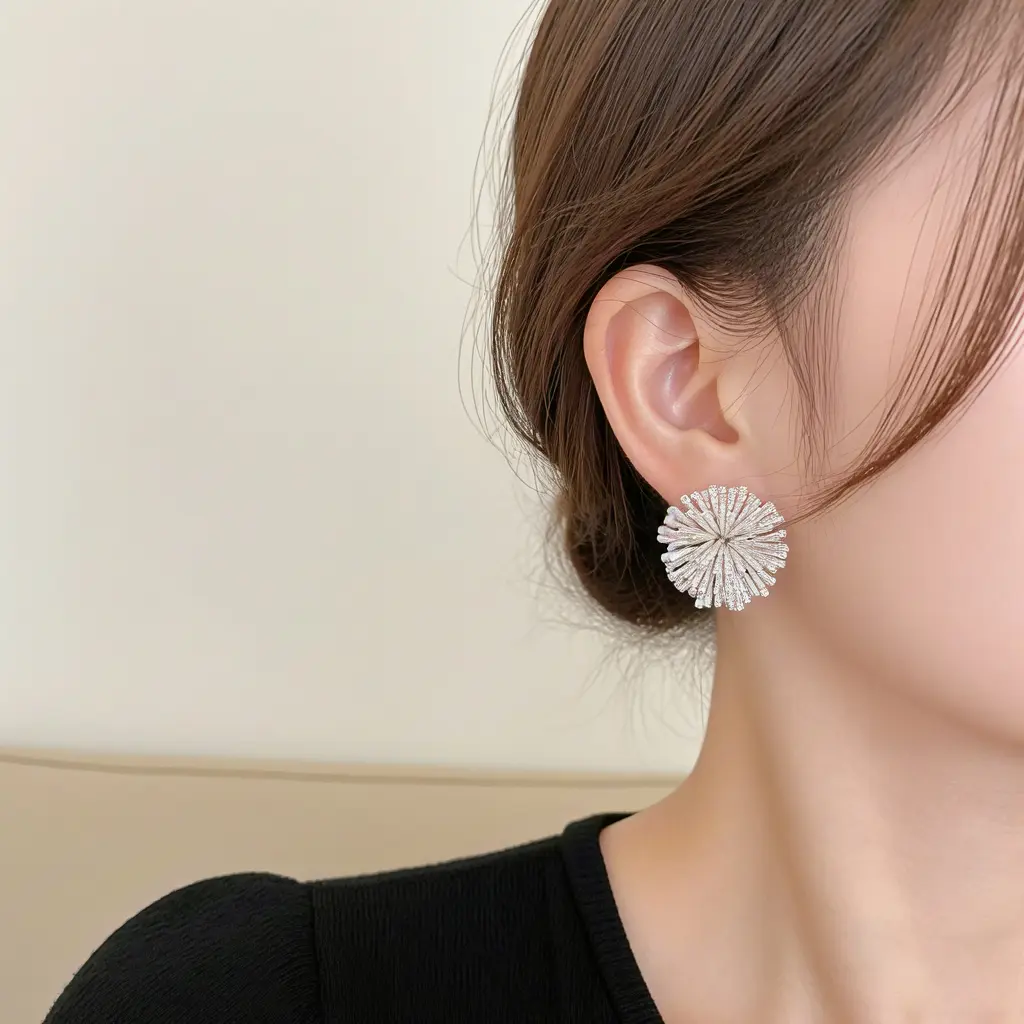
Cluster Earrings
Cluster earrings bring several stones or motifs together in one design. Floral groupings, geometric arrangements and graduated clusters create different textures even within a small outline. The apparent volume does not tell you the weight, so compare the actual dimensions and sample weight. A detailed cluster can become the focal point beside a simple neckline or an understated hairstyle.
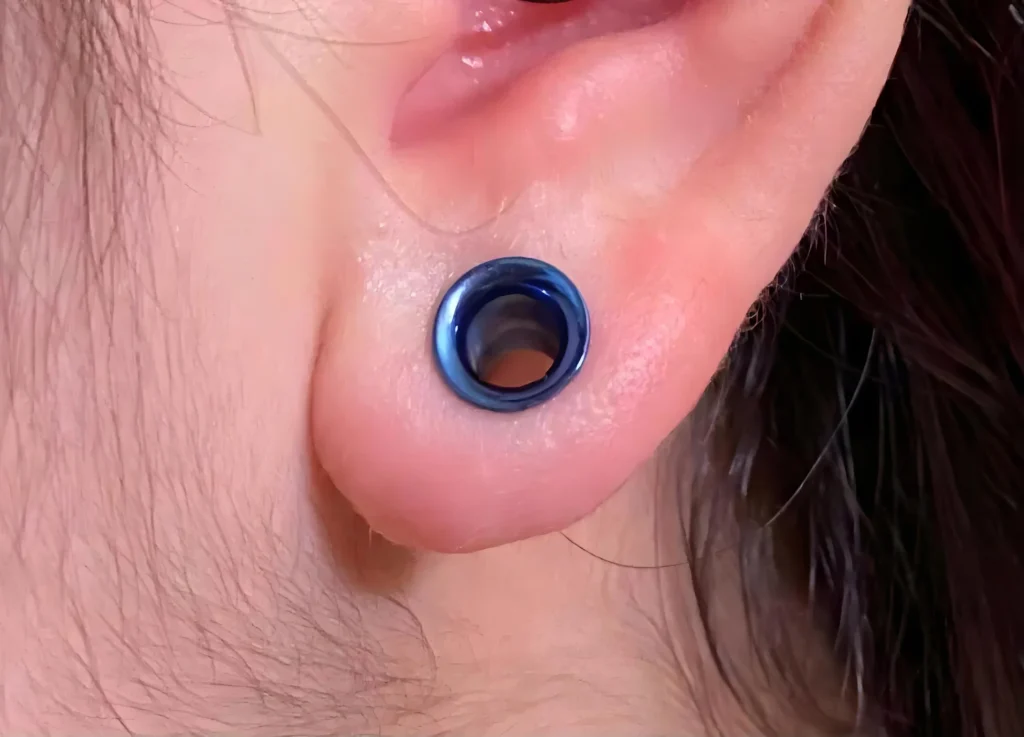
Plug Earrings
Plugs are sized for stretched piercings and may have solid, cylindrical or disc-like forms. Their diameter and edge construction matter as much as their appearance. A flared edge, an O-ring or a removable end can affect how a particular design is fitted. Choose the correct size for an established piercing rather than treating a plug as an ordinary stud or forcing a larger size into place.
Threader Earrings
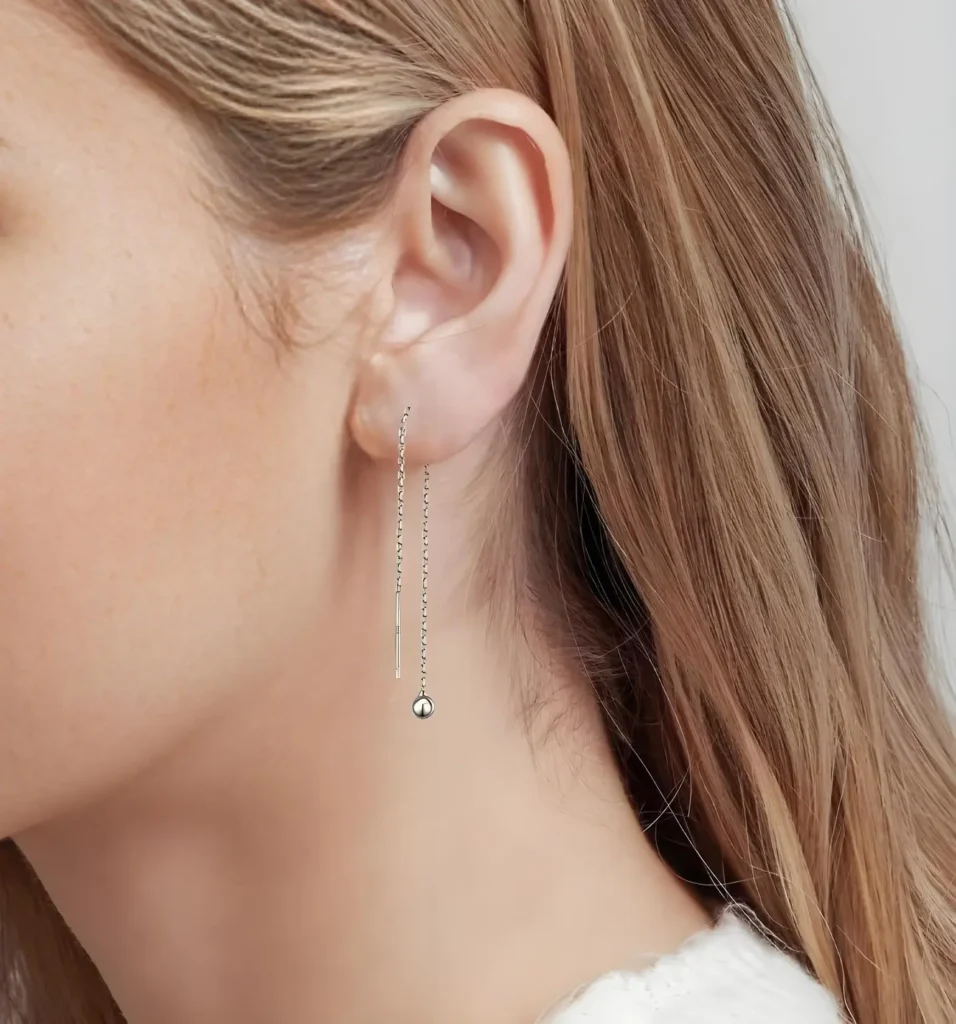
Threader earrings pass a slender chain through a piercing, leaving part of the design hanging on either side. Some designs allow the visible lengths to be varied; others include a curved section that determines where they sit. They can add a flowing line beside the face, whether worn alone or alongside small studs. Choose the length for the intended look and check the actual construction rather than assuming every pair is adjustable.
Clip-On Earrings
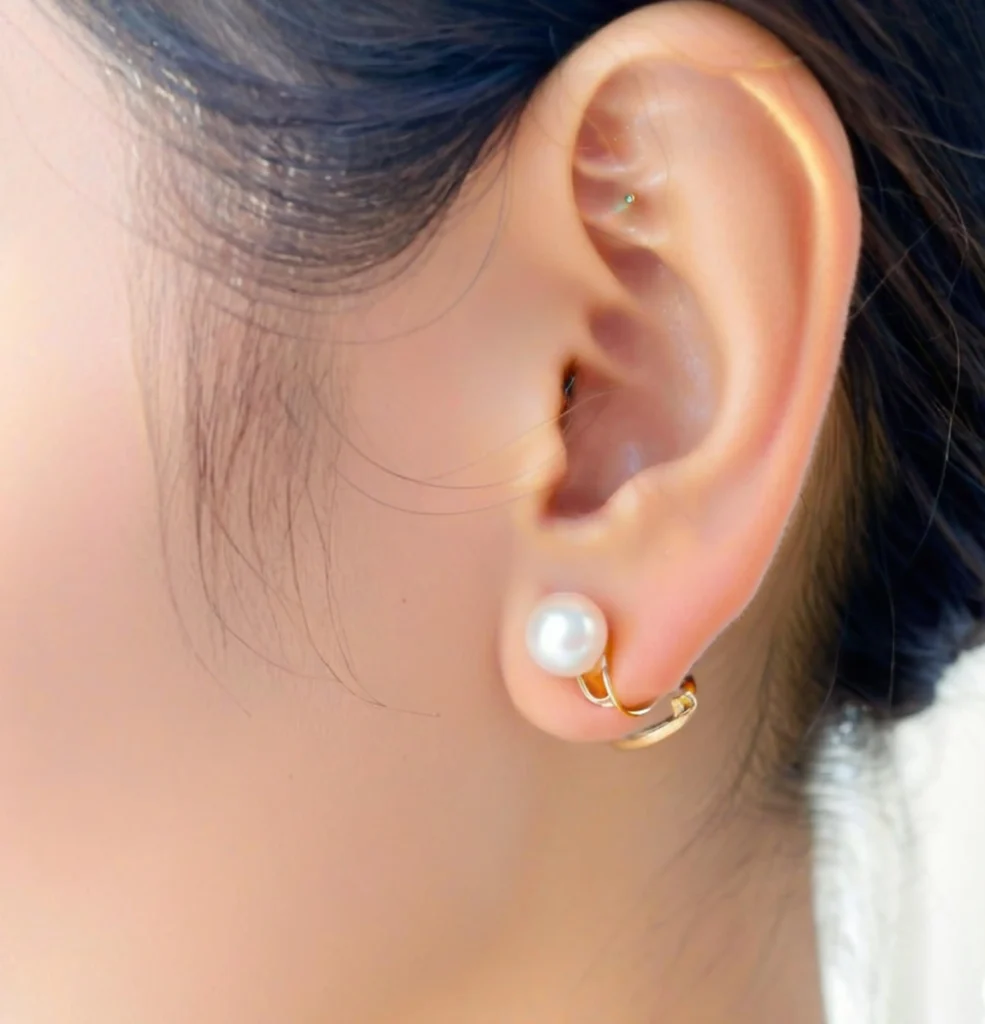
Clip-on earrings use a clip or adjustable screw to hold the earring on an unpierced earlobe. Designs range from vintage-inspired pearls to modern geometric shapes. Comfort depends on the clip tension, earring weight and fit; a closure that pinches should not be treated as a comfortable fit.
Bajoran Earrings
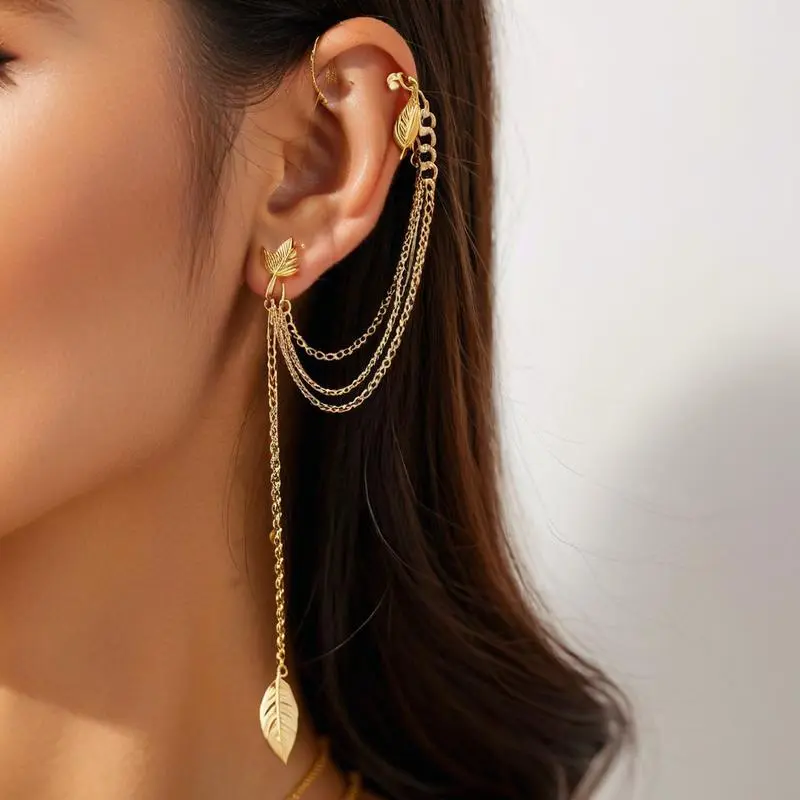
The Bajoran-style example shown here links an ornament at the lobe to a cuff higher on the ear with several fine chains. Leaf-shaped details continue the line into a longer drop. The chain arrangement gives it a different silhouette from a single dangling earring. Check both attachment points and the chain length when comparing designs; an upper cuff does not establish whether the lower fastening needs a piercing.
Earring Back
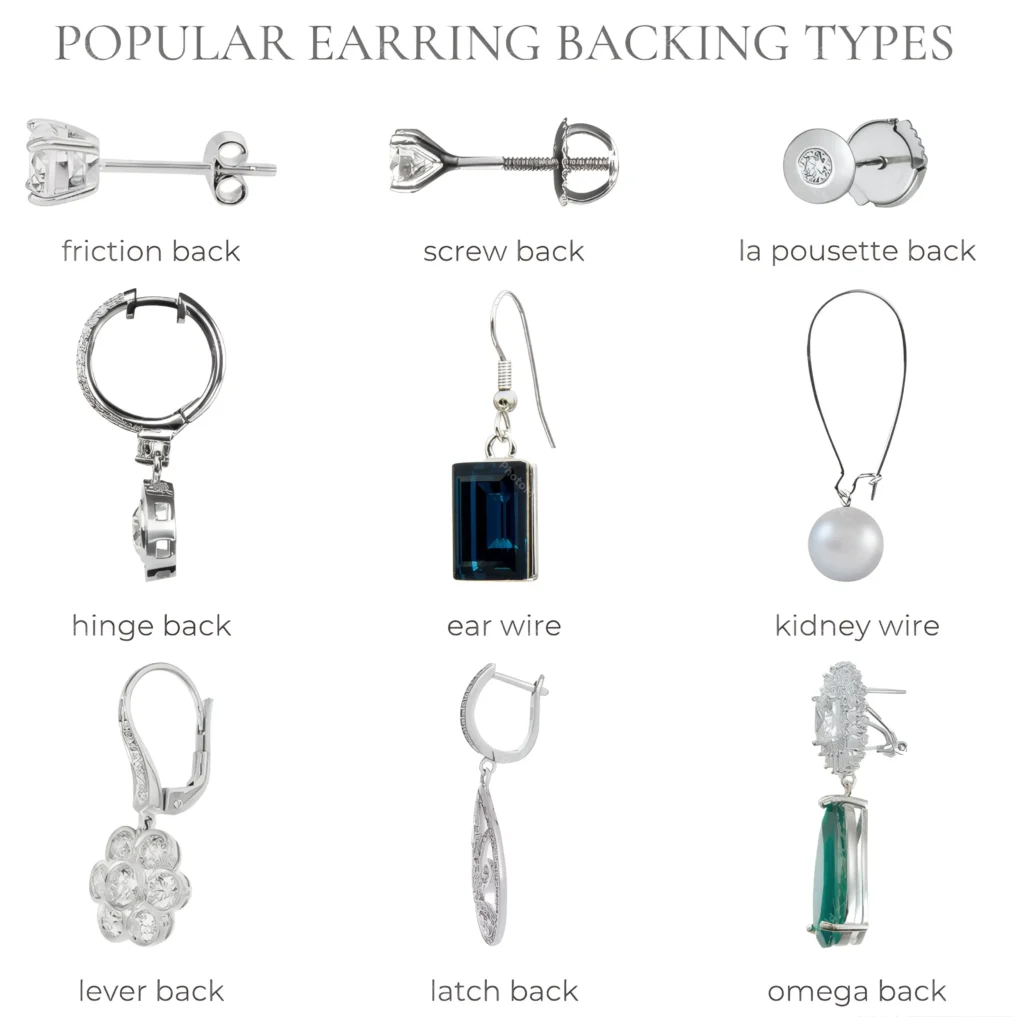
An earring fastening should be considered together with the piece it supports. Separate backs fit onto posts, while hooks and hinged closures form part of the earring itself. The illustration below compares nine common constructions. Names can overlap between suppliers, so use the shape, post diameter and closing mechanism to confirm which component you need.
Lever Back Earrings
Lever backs have a hinged rear section that closes against the part passing through the piercing. They are often paired with drop designs, where a closed fastening complements the movement below the ear. Check that the two parts align and close correctly. Comfort depends on the dimensions, weight and fit of the complete earring, rather than on the closure name alone.
Friction Back Earrings
Friction backs, also called push-backs, grip a compatible earring post through tension. They are common on stud earrings and can be convenient to put on and remove. Check the fit against the actual post diameter: a loose or damaged backing should be replaced rather than assumed to hold securely.
Ear Wire Earrings
Ear wires curve through the piercing and are commonly used to suspend decorative drops. Their simplicity leaves the focus on the ornament below. Compare wire thickness, surface finish and the weight of the attached design when choosing a pair. Inspect the wire for distortion or rough edges, and check whether the particular design includes a separate stopper.
Hinge Back Earring
A hinged earring opens at a joint so that the post or wire can pass through the piercing, then closes into its matching catch. The exact catch varies by design; a hinge does not automatically mean that the closure is spring-loaded. Open and close the sample to check alignment, ease of handling and whether it stays properly engaged.
Kidney Wire Earring
Kidney ear wires form an elongated loop, with the end of the wire engaging a small hook to close it. They are often used to suspend decorative drops. Check that the wire seats properly in the hook and that the size and wire thickness suit the design.
La Pousette Back Earrings
La Pousette backs use a locking mechanism that is released by pressing the side tabs. They need a compatible post and should be checked for correct engagement before wear. A locking back can improve retention, but no earring closure guarantees against loss.
Latch Back Earrings
Latch backs commonly use a hinged post that engages with a catch, often on hoop earrings. Check that the post aligns with the catch and closes properly. The fit and condition of the mechanism matter more than assuming that every latch back is adjustable or spring-loaded.
Omega Back Earrings
Omega backs use a hinged, loop-shaped support behind the earlobe. The example in the illustration also has a post, so it requires a pierced ear. Check the complete design rather than assuming that every omega back is a clip-on. The support should match the front of the earring and fit without excessive pressure.
Screw Back Earrings
Screw backs use a threaded post and a matching backing that turns into place. They take longer to fasten than a simple push-back and need compatible threads. Check that the backing is properly secured and that the post and backing are undamaged; this design does not eliminate the possibility of loss.
Key Takeaway
A useful earring collection brings together shape, material, movement and a closure suited to the design. Compare these details when choosing existing styles or discussing a custom piece. For a custom jewelry enquiry, share the preferred style, material, dimensions, quantity and backing type so the specification can be reviewed before sampling.