The realm of precious metals has long been a subject of fascination; among these metals, silver holds a distinctive position, revered for its luminous aesthetic and versatile applications. However, consumers and enthusiasts alike often encounter confusion when confronted with terminology such as “sterling silver,” “925 silver,” and “pure silver.” While these terms are frequently used interchangeably in colloquial discourse, they denote distinct materials with unique properties.
What is 999 Silver?
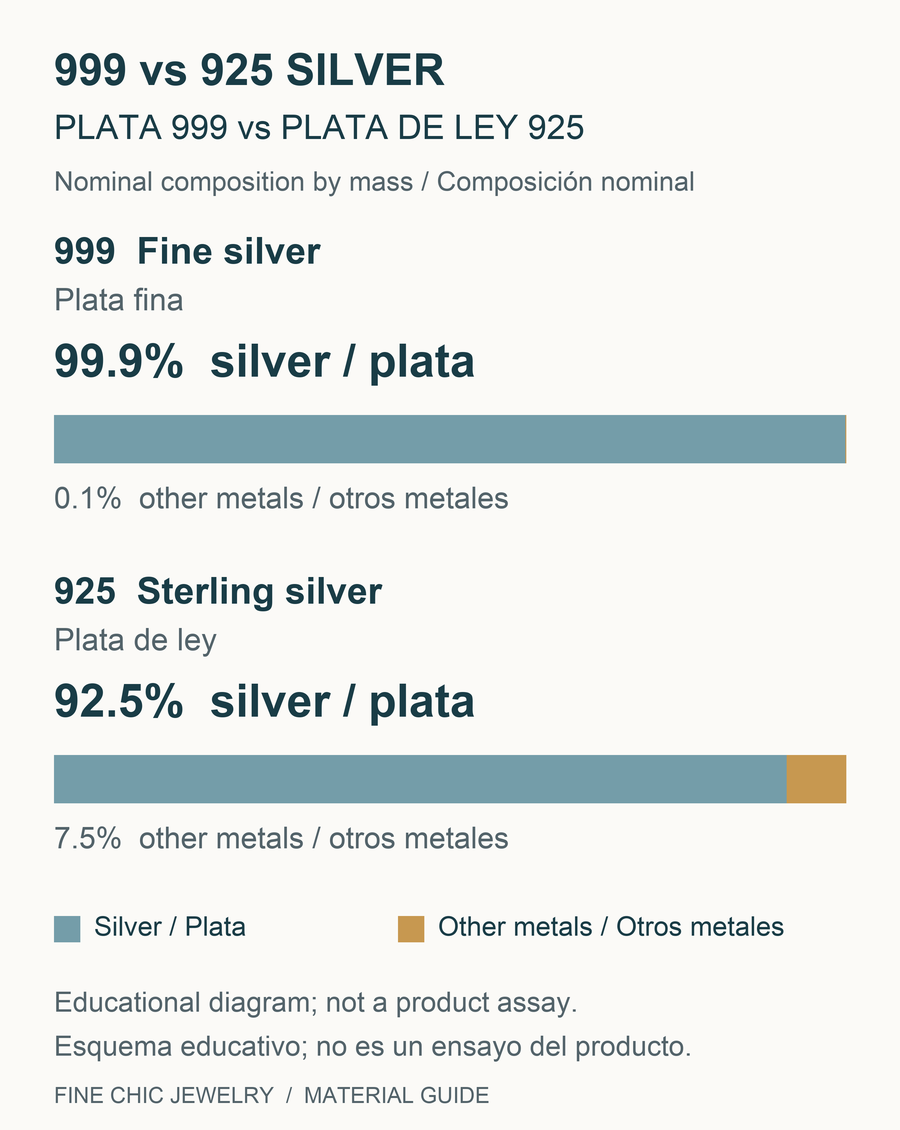
999 fine silver contains 99.9% silver. Its softness and malleability make it useful for certain decorative techniques, but thin sections can bend or scratch in wear. Whether it is suitable for a piece depends on thickness, construction and intended use; purity alone does not determine durability.
What is 925 Sterling Silver?
925 sterling silver contains 92.5% silver and 7.5% other metals, commonly copper. Those alloying metals improve hardness compared with fine silver. The remaining 7.5% is not necessarily copper alone: different sterling formulations can use other metals. Confirm the actual alloy specification when a project has particular performance or material requirements.
Is 925 Sterling Silver Real?
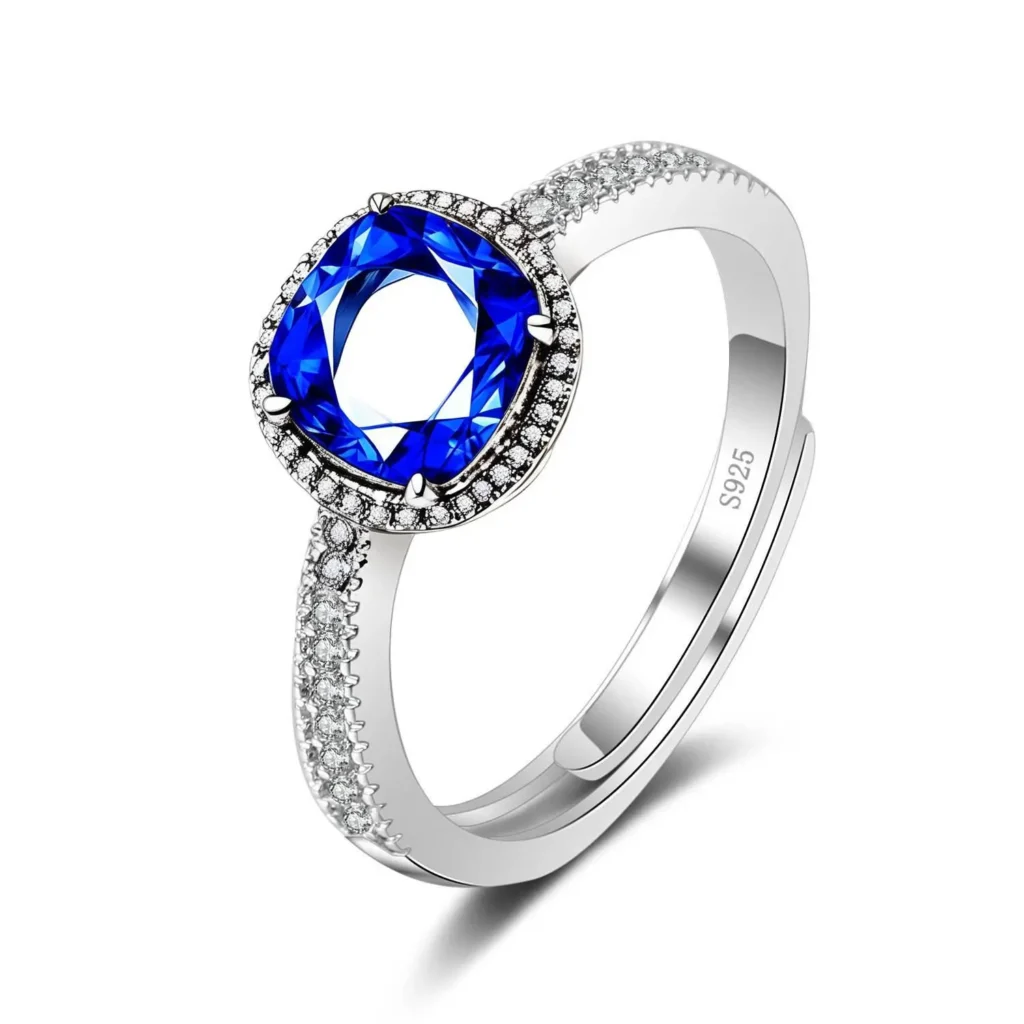
Sterling silver is a genuine silver alloy. A 925 or S925 stamp states a silver fineness of 925 parts per thousand, but a stamp alone is not independent proof that a particular item meets that claim. In markets with formal hallmarking systems, additional assay-office and sponsor marks may be required. Check the rules for the destination market and obtain reliable material documentation.
999 Silver vs 925 Silver
999 fine silver contains 99.9% silver, while 925 sterling silver contains 92.5% silver and 7.5% other metals, commonly copper. Sterling silver is generally harder than fine silver, making it a practical choice for many everyday designs. Fine silver can also be used in jewelry when the thickness, construction and intended wear suit its softer character. Neither purity mark guarantees that a piece will keep its shape or remain free of tarnish: design, alloy, surface finish and care all matter. Compare the actual piece rather than treating higher purity as automatically better or worse. Where an e-coating is used, it may help slow surface changes, but its performance depends on the coating system and care.
How to Identify if Silver is Real?
Start with the supplier description, metal marks and supporting documentation. Visual checks, weight and a magnet can raise questions, but none establishes silver content on its own. For a valuable or uncertain piece, ask a qualified jeweler or assay service for an appropriate test. Avoid home acid or scratch tests that may damage the surface.
Marks and documentation: Read 925, Sterling or 999 marks as statements of fineness. Compare them with supplier records; distinguish a simple stamp from a complete independently applied hallmark.
Weight and density: Size, hollow construction, stones and other components affect weight. A heavy feel is not a silver identification test; even a measured density requires careful interpretation.
Magnetic response: Lack of attraction does not prove that a piece is silver, since many other materials are also non-magnetic. Clasps or other components can affect the result. Use this only as an initial observation, not an authenticity verdict.
Which is Better for Jewelry: Silver or 925 Silver?
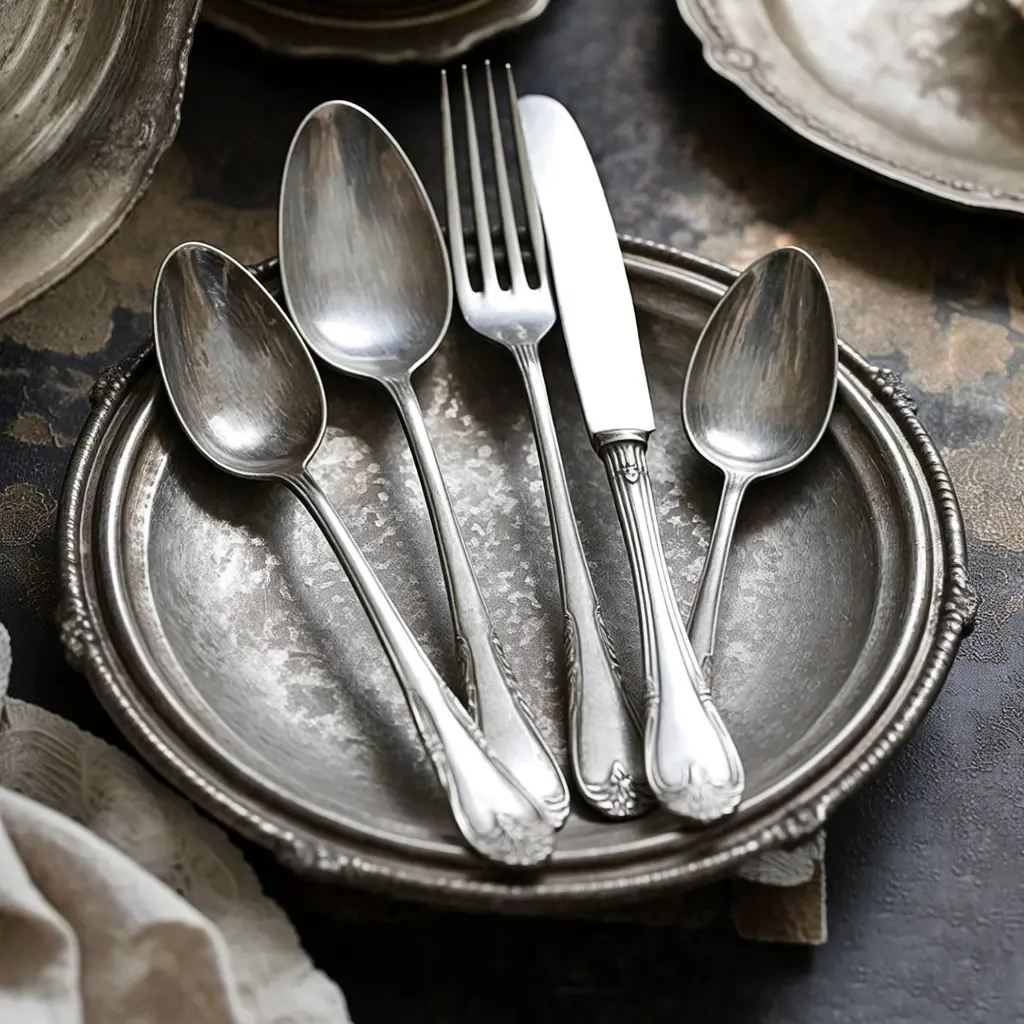
Choose fine or sterling silver to suit the design, not purity alone. Fine silver is softer, so thickness and construction matter particularly at thin edges, clasps and other stressed areas. Sterling silver is generally harder and often practical for everyday rings and bracelets, but its alloy, finish and construction still affect wear. Compare the finished sample and intended use rather than treating either material as the best choice for every piece.
Does Sterling Silver Tarnish?
Yes, sterling silver tarnishes over time due to its composition. Its alloyed structure reacts with environmental elements like sulfur, oxygen, and humidity. This interaction forms silver sulfide, a dark compound that dulls the surface. Tarnish appears as a yellowish or blackish film, often accelerated by exposure to perfumes, lotions, or sweat.
How to Keep Silver Jewelry from Tarnishing
Use a clean, soft cloth for light surface dirt, and follow the care instructions for the complete piece. Before using soap or water, check that the method suits any gemstones, pearls, plating and glued components. Protective finishes such as e-coating can wear with abrasion, so do not assume that a polishing cloth or silver dip is suitable for a coated surface. Store clean, dry pieces separately in suitable pouches or containers, away from humidity and sulfur-containing materials. Ask a jeweler about persistent discoloration rather than scrubbing harder.
For more ways to reduce tarnishing, please read our article: ‘Anti-tarnish Guide‘.
Key Takeaway
At Fine Chic, precision in silver selection is at the heart of our craftsmanship. We offer 999 silver for heirloom-quality pieces that are cherished for their purity, as well as 925 sterling silver, the global benchmark for jewellery designed to endure life’s moments. Whether you are creating an heirloom in silver or a durable wedding band in 925 silver, we can advise you on care, from anti-tarnish pouches to professional polishing. We promise to help your brand shine brightly.